Strategy and positioning
Audience, offer, competitors and a realistic channel plan, so effort goes where the return is highest.
Digital marketing works best as one connected plan. Pick a channel to see what it covers and how it supports the others.
Technical SEO, on-page work and content built around search intent, so the right pages rank and keep ranking.
Crawlability, speed and structured data fixed first.
Titles, headings, internal links and pages written around what people search for.
Google Business Profile, location pages and structure that AI answers can cite.
Useful content and quality links build the authority that search engines and buyers both look for.
Guides, comparison pages and case studies written for real questions.
Directory, SaaS and business profile listings that add credible links.
Link building and community posts that put your work in front of the right readers.
Social media management and email turn one-time visitors into an audience that returns, shares and buys.
A content calendar, publishing and community replies on the networks where your audience spends time.
Newsletters and campaigns that bring visitors back, tracked in GA4.
Every campaign tagged with UTM parameters, so its sessions and results are clear.
Tracking set up properly lets every channel be measured and compared, so budget moves toward what works.
GA4, Google Tag Manager and consent settings configured and tested.
Landing pages and forms tuned so more visitors take the next step.
Clear dashboards and monthly summaries in plain language.
Nine services that fit together. You choose the ones your product needs now and add others as it grows.
Audience, offer, competitors and a realistic channel plan, so effort goes where the return is highest.
Keyword research, briefs, writing and refreshes that turn search demand into traffic, leads and sales.
Crawlability, speed, structured data and page-level optimization that give your content a fair chance to rank.
Directory, SaaS and business profile listings, community posts and outreach that build authority over time.
Google Business Profile management and location pages that capture people searching near you.
Strategy, a content calendar, publishing and community management on the networks your audience uses, tied to your search and email plan.
Newsletters and campaigns that bring visitors back, tagged and measured in GA4.
GA4, tag management, consent settings and conversion events, so every channel is measured and compared.
Search and social campaigns with landing pages and tracking built to support them.
I review your site, tracking, search presence and competitors, and record the starting numbers so progress is measurable.
We pick the channels, audiences and goals that fit your budget and stage, in a plan that fits on one page.
Tracking, page speed, indexing and key landing pages get fixed first, so traffic arrives at a site that converts.
Content, listings, campaigns and emails go live on a steady schedule that you can see and approve.
Results are tracked in one dashboard and summarized in plain language, with what worked and what did not.
Effort and budget shift toward what performs, and the plan evolves as the product grows.
Traffic is expensive when the site leaks. Here is the order I work in.
Money goes into ads and content while tracking is broken, pages are slow and forms fail, so nobody can tell what is working.
As a technical lead I repair tracking, speed and landing pages myself, then add search, content, links and email on a solid base.
Clean data shows which channels earn their place, so budget and effort follow results instead of guesses.
Numbers come from Google Search Console, Bing Webmaster Tools and GA4, shown with each client's permission. Results differ by niche and starting point, and I never promise a ranking.
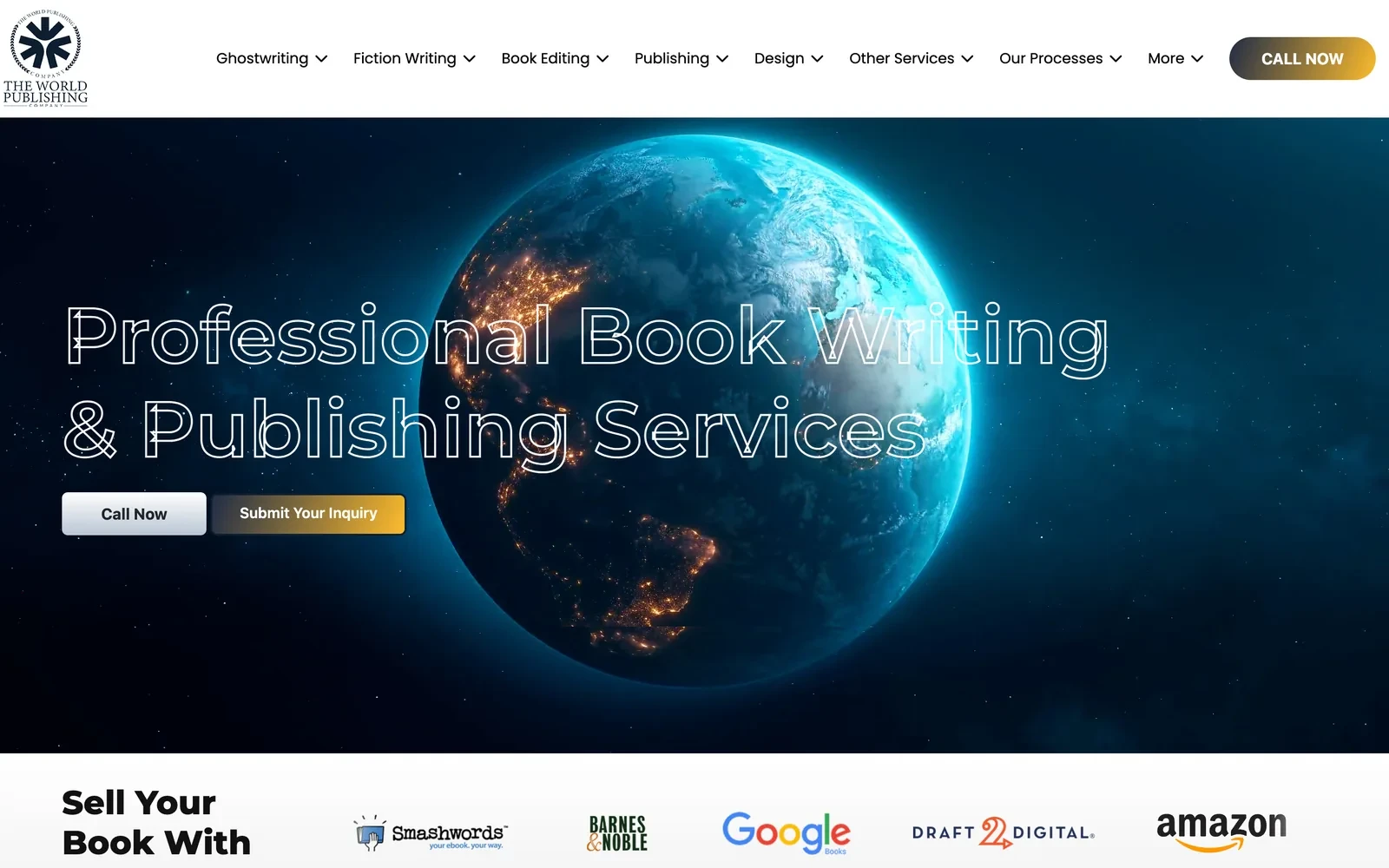
A self-publishing firm in Ohio needed local visibility across the US. I built 544 location pages, handled the technical fixes, content and links, and managed the Google Business Profile. Organic clicks rose from about 7 a day to about 25.
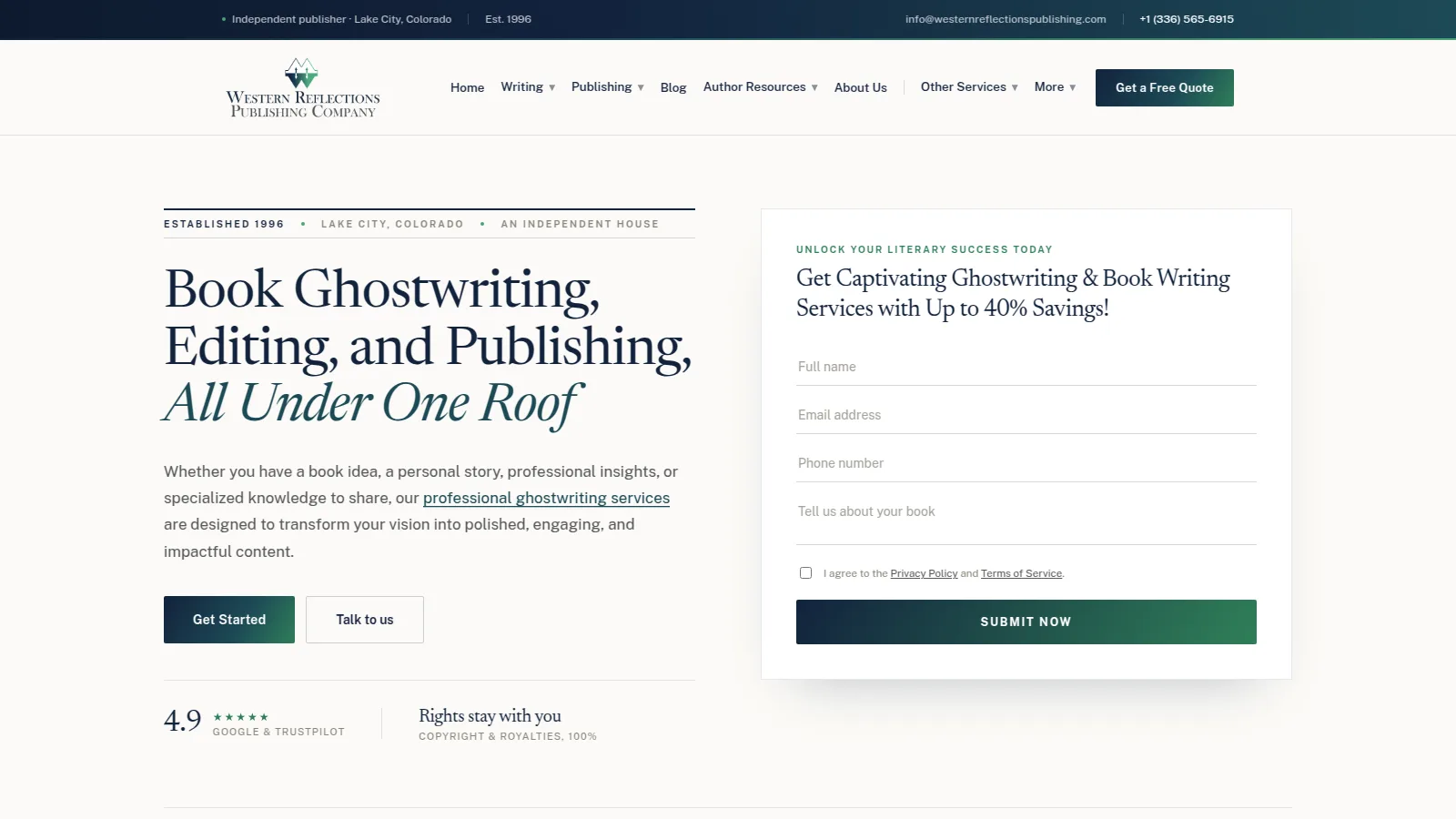
A relaunch with 20 in-depth guides, 470+ rewritten posts, business profile listings and links from 11 independent sites, plus Facebook and LinkedIn publishing. Bing became its largest search channel.
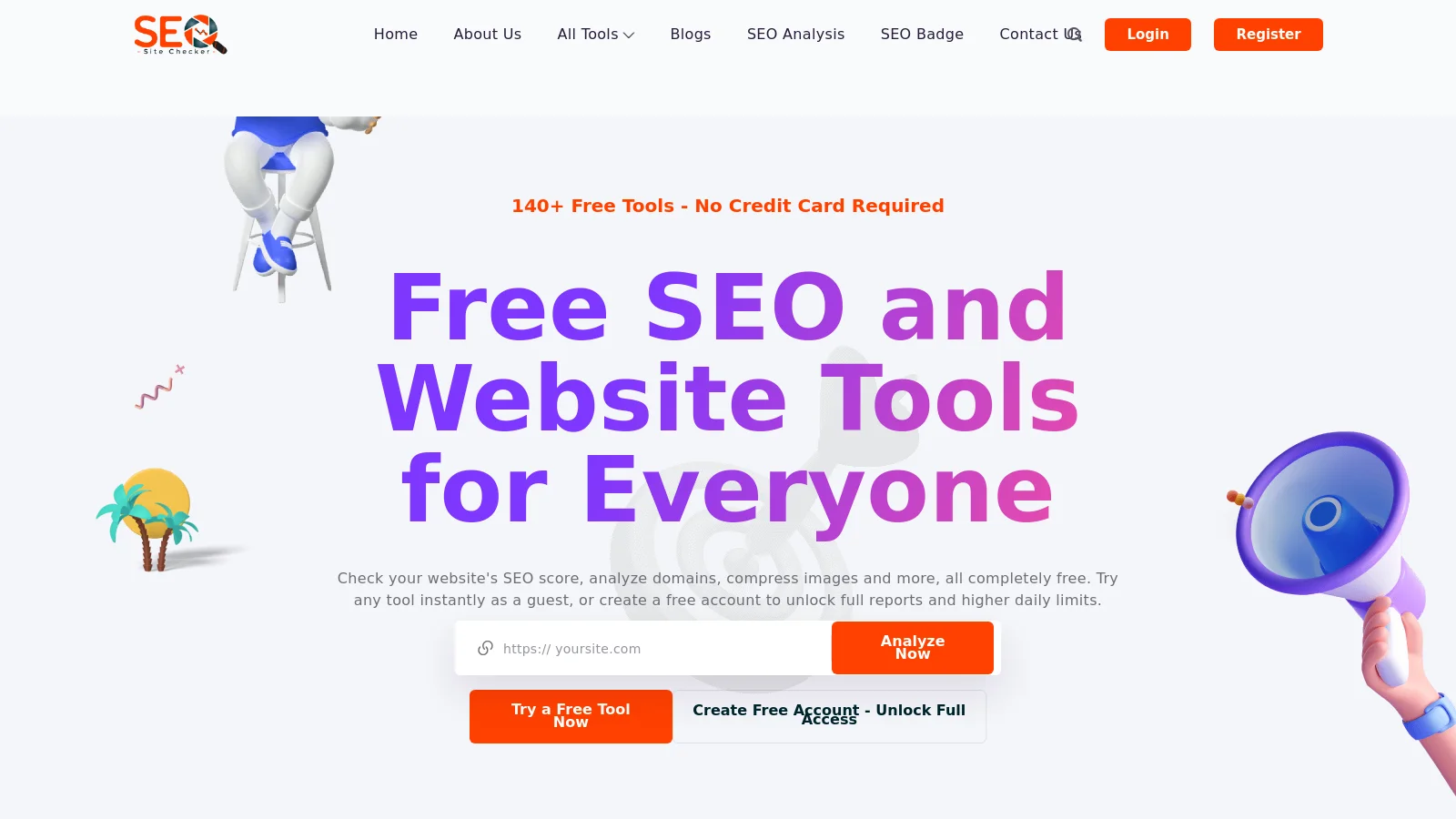
A free tools platform grown with technical SEO, listings on SaaSHub, WebCatalog, F6S and Trustpilot, community posts, social media and email campaigns that brought 791 sessions in 2026.
People now ask AI tools before they search. Pages that are clear, well structured and easy to crawl get cited more often. I can't promise a citation, but I can remove what stops one.
SEO Site Checker was cited 444 times in Bing's AI answers between July and October 2026.
ChatGPT sent about 460 sessions to SEO Site Checker in 2026, more than Google organic search sent.
The World Publishing Company picked up 9,268 impressions in Google's AI Overviews and AI Mode over five months.
Social media works when it is part of the same plan as search, content and email, not a feed posted on its own. Here is what managing it with me covers.
Which networks fit your audience and offer, such as LinkedIn for B2B, Instagram and Facebook for consumer brands and Pinterest for visual topics, and which to leave out.
A monthly plan built from your product updates, articles and campaigns, so every post has a job to do.
Posts written in your brand voice, with images, links and scheduling handled so the feed stays consistent.
Comments and messages answered in your voice, with questions that need you passed on quickly.
Blog posts, case studies and product news turned into social posts, so the same work feeds search and social.
Tagged links and a GA4 view of what social sends, so success is measured in visits and enquiries, not follower counts.
Marketing only earns trust when you can see what it returned.
Goals, conversion events and UTM tags are tested before any campaign starts, so results are measurable from day one.
Search, email, social and paid results sit side by side, so channels can be compared fairly.
A monthly summary of what changed, what worked, what did not and what comes next.
I work best with teams that want marketing built on a site that already works. Bring me in early, and the offer, the pages and the tracking are ready before the first campaign goes out.
A site that should win more of the clicks and AI answers its competitors get today.
Several locations or service areas that need to show up for near me searches.
Products and content libraries that need steady traffic, and a way to measure it.
A small team that wants one person to plan, build and report across channels.
Want to see how I think before we talk? These are the guides I wrote and the official documentation I follow.
What to do first on a budget, from free setup to reviews and listings.
The free tools I actually use, from Search Console to Bing Webmaster Tools.
Thirty checks before a page goes live: intent, titles, headings, links and schema.
Google's own introduction to making a site easy to find.
How AI Overviews and AI Mode use web content, from Google.
How a local profile works and how to keep it accurate.
Prefer the details in one document? Open the CV I keep for this kind of work, or download it as a PDF.
Roles, results and skills behind SEO and digital marketing work, in one page you can share with your team.
The same CV as a PDF, ready to attach to a proposal or send to a colleague.
I don't publish a price list, because a local brochure site and a multi-channel SaaS launch need very different work. Your goals, the channels involved, the current condition of the site and how much you want done for you decide the cost. Tell me about your business, and I'll reply with a scoped quote and a first-month plan, so you know what you're paying for before any work starts.
A review of your site, tracking, search presence and competitors, ending with a ranked plan of what to do first.
A defined piece of work, such as fixing tracking, building a content plan or running a listings and link campaign.
Ongoing content, SEO, link building, email and reporting on a steady monthly rhythm.
Digital marketing services cover the channels that bring visitors to your product and turn them into customers: SEO, content, link building, local search, email, social media, analytics and, where it makes sense, paid ads. I combine the ones that fit your goals into one measured plan.
Social media management covers choosing the right networks, planning a content calendar, writing and scheduling posts, replying to comments and messages, and reporting on what social sends to your site. I tie it to your search and email plan, so every post supports the same goals.
I work with the networks where your audience actually spends time, usually LinkedIn, Facebook, Instagram and Pinterest. We pick two or three that fit your offer instead of spreading thin across all of them.
Yes. Paid campaigns on Meta and LinkedIn are handled as part of paid media, with landing pages and tracking built to support them. Organic social management and paid social can run together or separately.
Every campaign link is tagged with UTM parameters and tracked in GA4, so I report the visits, sign-ups and enquiries that social actually sends, next to reach and engagement. Follower counts alone are not a result.
It depends on your goals, the channels involved, the current state of your site and how much you want done for you. A local brochure site and a multi-channel SaaS launch are very different jobs, so I don't publish one price. Send me your site and goals and I'll reply with a scoped quote.
Paid campaigns and fixes to tracking can show results within days or weeks. SEO and content usually take three to six months to build momentum, and the effect compounds after that. I report on early signals so you can see progress long before the big numbers arrive.
Yes, when it is focused. A small business rarely needs every channel. Local search, a strong Google Business Profile, a few good pages and simple email follow-up often return more than a broad, thin campaign. I'll recommend the smallest plan that can work.
It depends on where your customers look and how they buy. Local services lean on local SEO and reviews, SaaS products on search, content and email, and stores on search, email and paid ads. The audit settles this with data instead of guesses.
I set up goals and conversion tracking before any campaign starts, tag every source with UTM parameters and report search, email, social and paid results side by side. You see sessions, leads and sales per channel, and what it cost to get them.
An agency suits large budgets that need many specialists at once. A technical lead who works on your site and your marketing suits focused projects where speed, one point of contact and fixes made directly on the site matter most. I'll tell you honestly if you need a bigger team.
Traditional marketing uses channels such as print, radio and billboards, which are hard to measure. Digital marketing happens online, where every click, sign-up and sale can be tracked, tested and improved, so spending can follow what works.